
Dinah - The God Who Restores the Erased
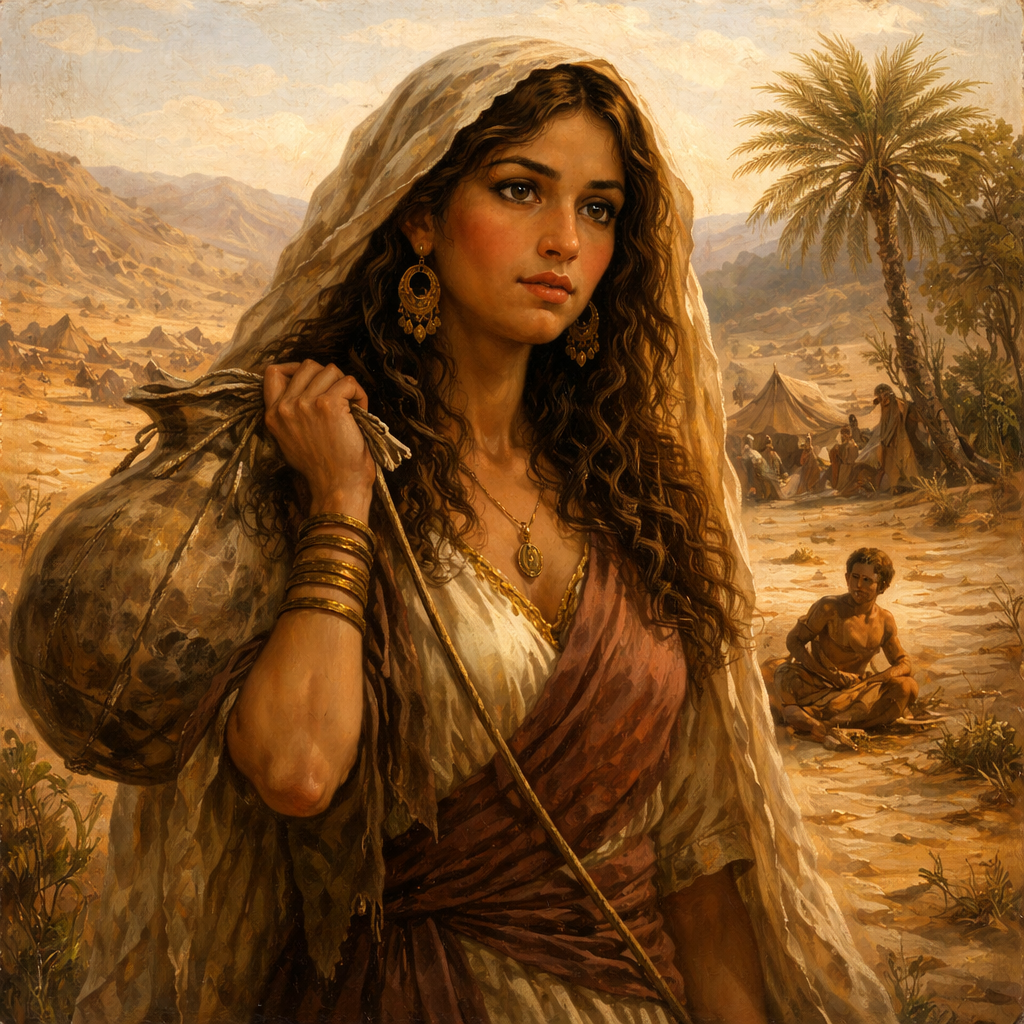
The God Who Restores the Erased - Dinah
Dinah
The God Who Restores the Erased
Dinah was the daughter of Jacob, one of the most important patriarchs in Scripture. Her story appears in Genesis 34; and it is one of the most painful chapters in the Bible. Dinah was sexually violated by a local leader, and instead of receiving comfort or protection, she was used as leverage in a political negotiation between men.
Her voice is not recorded. Her feelings are not documented. Her safety is not prioritized. Dinah is the daughter everyone should have run to, but no one did.
Her story represents countless women whose trauma was treated as an inconvenience instead of an emergency.
Primary Scripture — Psalm 34:18, NIV
“The Lord is close to the brokenhearted and saves those who are crushed in spirit.”
Expanded Reflection
Dinah’s story is wrapped in silence; the kind that doesn’t heal but harms. She experiences trauma, and the very people who should have carried her pain instead carried their own agendas. Her father strategized politically. Her brothers reacted violently. But not one recorded moment in the narrative involves someone tending to Dinah’s soul.
Maybe you’ve lived that kind of silence.
The kind where people talked around your pain but never to your heart.
The kind where your trauma became a topic rather than a wound that needed care.
The kind where decisions were made about your life without anyone acknowledging your voice.
Dinah’s life teaches us something tender and fierce:
Your story does not lose value just because people failed to value you.
God preserved Dinah’s name in Scripture; not to re-expose her pain, but to expose the failure of those who should have defended her. Her story stands as a permanent testimony that heaven does not participate in cover-ups.
You may feel erased by others, but God has not erased you.
You may feel unheard by people, but God bends low to listen.
You may feel like your trauma sits in a file marked “unaddressed,” but heaven has already opened it.
Dinah’s story whispers to every wounded daughter:
“Your silence is not your identity.
Your erasure is not your ending.
Your story is still held by God.”
Supporting Scriptures:
• Psalm 147:3 — God heals the brokenhearted
• Isaiah 42:3 — A bruised reed He will not break
• Genesis 16:13 — “You are the God who sees me”
Reflective Questions:
Where have you felt silenced or overshadowed by other people’s narratives?
What parts of your story feel “unheard,” even by those who should have listened?
What might it mean for you to allow God, not people, to define your worth?
Prayer:
God who draws close to the crushed in spirit, hold the places in me that were ignored, minimized, or mishandled. Speak comfort where others brought confusion. Heal the parts of me that were treated as invisible. Restore my voice and remind me that You never lose sight of Your daughters. Amen.
Outcome/Redemption Arc:
Though Dinah’s family mishandled her trauma, God preserved her story as Scripture’s indictment against injustice and neglect. Her name becomes a banner, reminding future generations that God does not hide or excuse violence against daughters; He brings it into the light and stands with the wounded.
Closing Blessing:
May her courage encourage us to trust God more fully; He who was faithful to her is faithful to us.